Chiesa di Santa Felicita, Florence
A Hidden Gem of History and Art
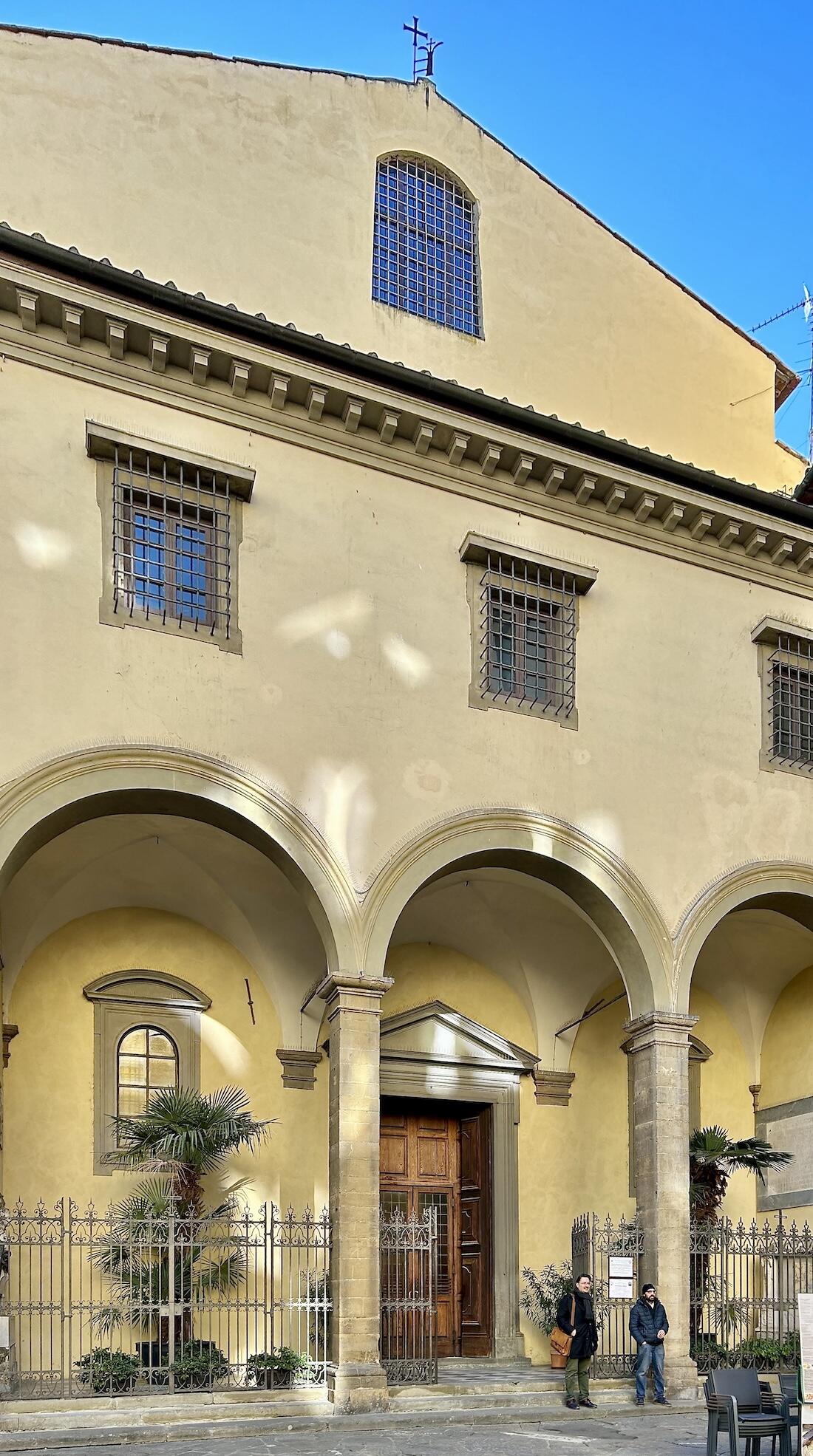
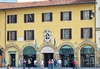
Nestled in the Oltrarno district of Florence, just a stone's throw away from the Ponte Vecchio, the Church of Santa Felicita stands as one of the city's most historically and artistically significant churches. Despite its somewhat modest exterior, this church is home to remarkable artworks and has a rich history dating back to early Christianity in Florence. Even though it is so close to the Pitti Palace and the Ponte Vecchio, it's smaller size and being slightly tucked away off a small square means that very few tourists ever venture inside - and so they miss one of the greatest paintings in Florence that can still be seen for free, and without waiting in a line.
History of the Church of Santa Felicita
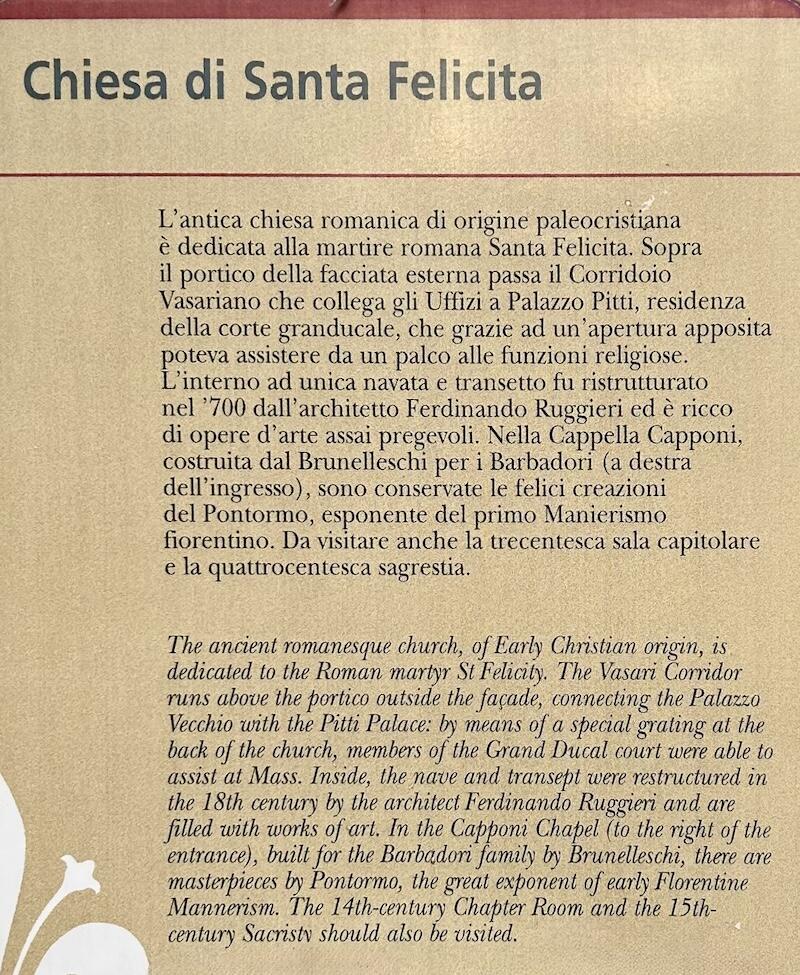
Santa Felicita is one of the oldest churches in Florence, with origins tracing back to at least the 4th century when it was established as a Christian site on the remains of a Roman cemetery. The present structure, however, has undergone multiple renovations, with the most notable one occurring in the 18th century under the direction of architect Ferdinando Ruggieri, who gave it its current Baroque appearance.
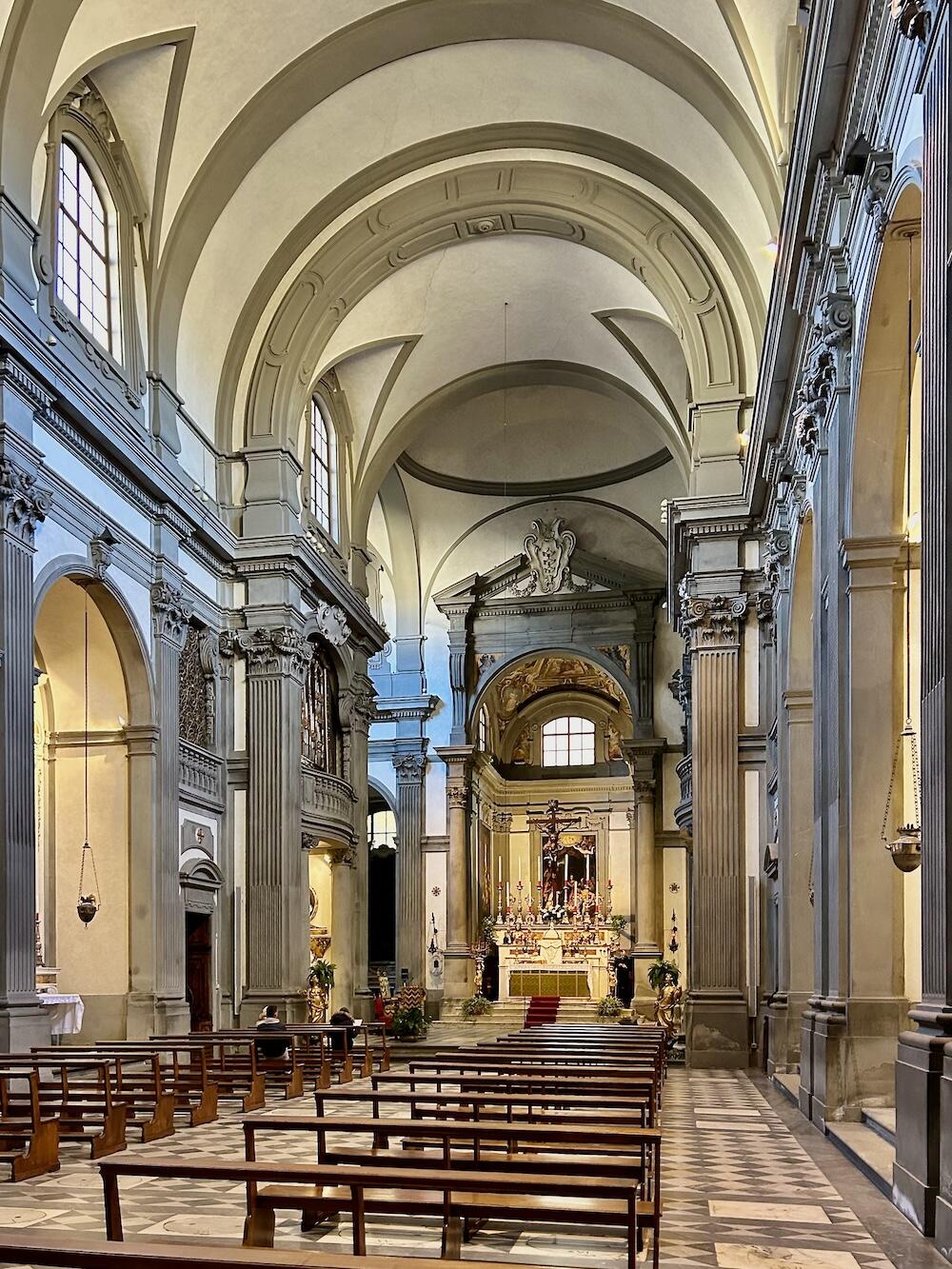
One of the most historically significant aspects of Santa Felicita is its connection to the powerful Medici family. The church's location along the Vasari Corridor - a secret passageway commissioned by Grand Duke Cosimo I de' Medici - allowed the ruling family to attend religious services from a private balcony without mingling with the general public.
Artistic Treasures: The Capponi Chapel & Pontormo
While the exterior of Santa Felicita may seem unassuming, the interior houses an array of stunning artworks. One of the church's greatest treasures is the Capponi Chapel, designed by the famed Renaissance artist and architect Filippo Brunelleschi. However, the chapel's true masterpiece is the cycle of paintings by Jacopo Pontormo, one of the leading figures of Mannerism.
Jacopo Pontormo - born Jacopo Carucci in 1494 in Pontorme, a hamlet near Empoli from which he took his name rather than a family surname - died in Florence in 1557. He is best known today for his work in the Capponi Chapel in this church, commissioned in 1525 by the banker Ludovico Capponi for his family's newly acquired chapel and completed in 1528. Its centerpiece, the Deposition from the Cross, is painted in tempera on a wood panel measuring 313 by 192 centimeters, built from six poplar planks with a subradial cut and joined by three probable larchwood cross-pieces; Pontormo's carpenter even plugged irregular knots in the wood with differently shaped dowels before painting began -- physical evidence, uncovered during conservation study, of how deliberately the panel itself was engineered before a single figure was laid in.
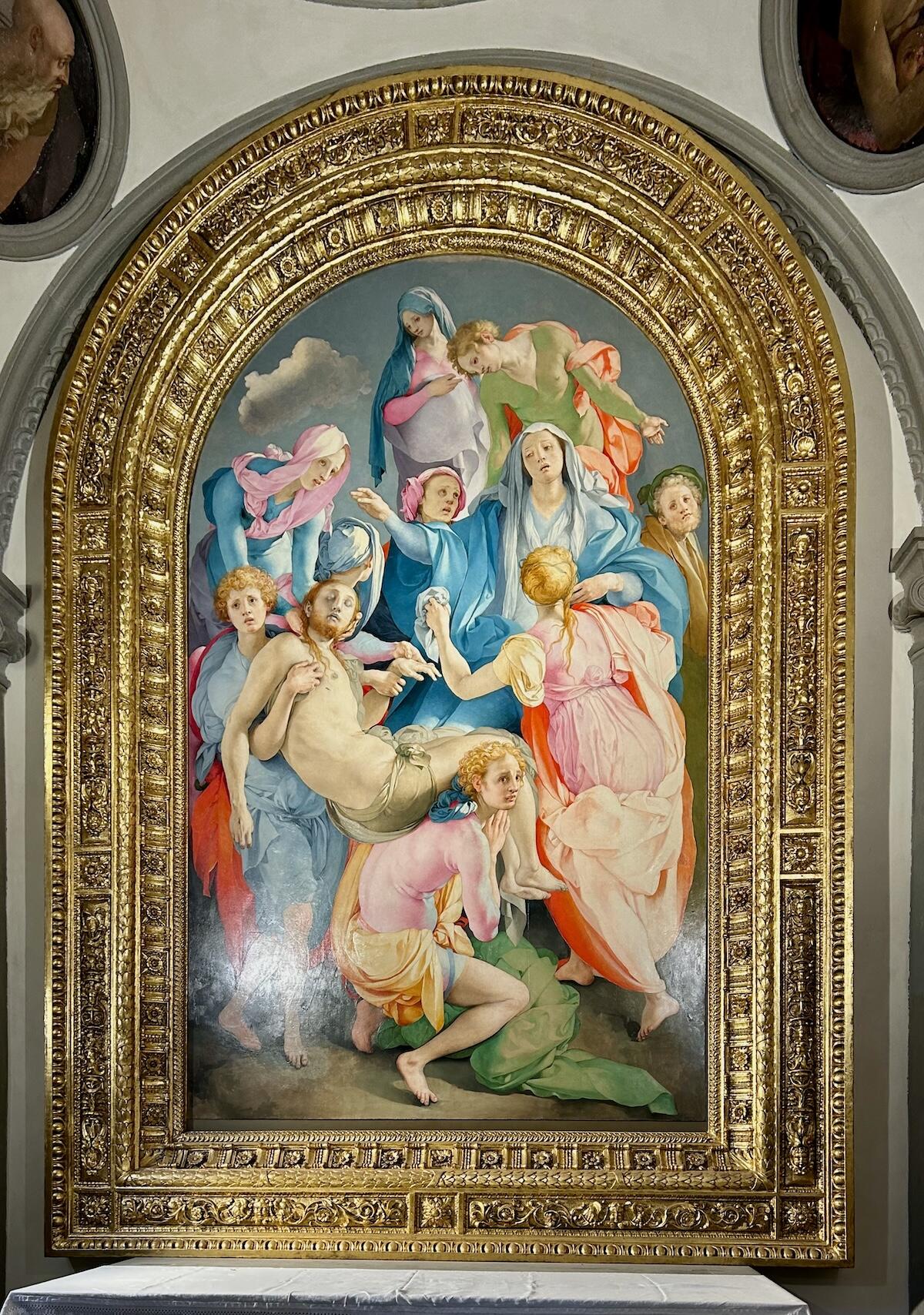
The altarpiece is widely regarded as Pontormo's surviving masterpiece and a founding work of Florentine Mannerism. It dispenses with a visible cross, a coherent ground plane, or any single clear focal point, instead compressing a dense, swirling arrangement of mourners around the sagging body of Christ in acid, unnatural color and elongated, serpentine proportions that break decisively with the balanced compositions of the High Renaissance. Characterized by this vivid, dreamlike distortion, it marks one of the clearest departures from High Renaissance idealism in Florentine painting, and remains one of the most expressive surviving examples of Mannerist art. Pontormo also frescoed the adjoining wall of the chapel with an Annunciation, executed in the same 1527-28 campaign, and originally painted a God the Father in the chapel's small dome (now lost) along with roundels of the four Evangelists in the pendentives, some completed with the assistance of Bronzino.
The painting's modern critical reputation owes a great deal to the American scholar Frederick Mortimer Clapp, whose 1916 monograph on Pontormo effectively rescued the artist from centuries of neglect. Before Clapp, the altarpiece had gone largely unstudied, sitting in the dim light of a chapel that, even now, makes it easy for casual visitors to walk past without realizing what they've missed.
This painting was restored in 2018 - the Friends of Florence website has some great photographs of the process.
Additionally, the church is home to paintings by other renowned artists such as Francesco Morandini (Il Poppi) and works from the 16th and 17th centuries that enhance its artistic prestige, including one of my favorite depictions of the Martyrdom of Saint Sebastian, by Fabrizio Boschi (1572-1642), which is probably overlooked by being a Baroque work in a Renaissance city (as is the Pontormo, being Mannerist).
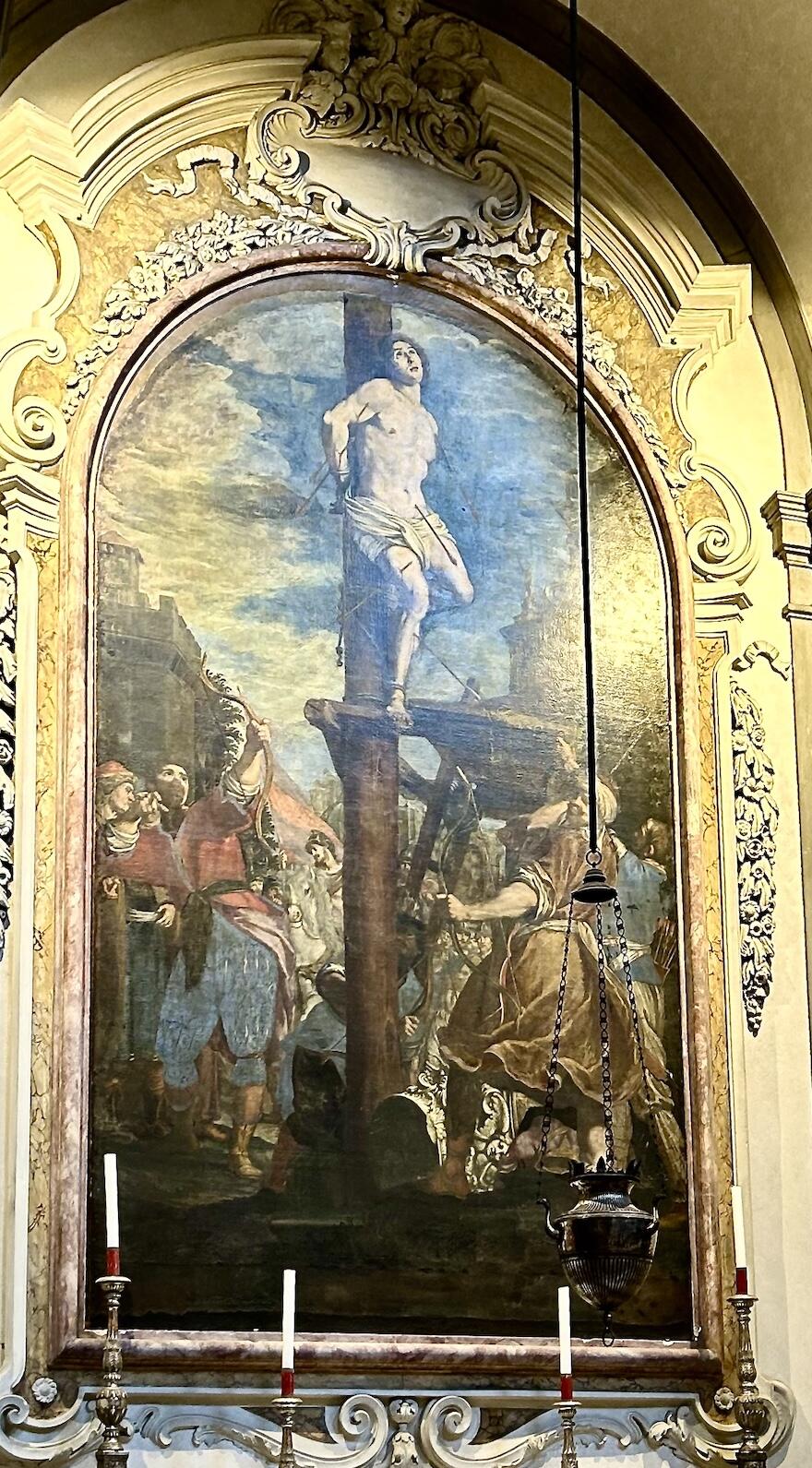
Boschi (1572-1642) was a Florentine painter of the early Baroque period, reputed to have trained under Domenico Passignano, and one of the artists whose life was recorded by the biographer Filippo Baldinucci, who described him as having a fiery temper alongside a persistent imagination. His Martyrdom of Saint Sebastian in the Chiesa di Santa Felicita is dated 1617 and was originally painted as the altarpiece for a chapel dedicated to Saint Sebastian in the church. That chapel was destroyed during the church's eighteenth-century restoration campaign, and the canvas was subsequently relocated to the first chapel on the left of the nave, positioned between the chapels of San Gregorio and the Crucifix - the arrangement in which it can still be seen today.
The subject follows the standard Counter-Reformation iconography of the saint's ordeal: Sebastian, a Roman soldier martyred for his Christian faith, bound and shot with arrows on the orders of the emperor before his eventual death by clubbing. As a minor Baroque work situated in a church otherwise dominated by Pontormo's Mannerist masterpiece in the Capponi Chapel, Boschi's altarpiece is easy to overlook, though it remains a representative example of the more sober, devotionally direct style that Florentine painting adopted after the High Renaissance and Mannerist periods had run their course.
The Vasari Corridor & The Medici Connection
- The Vasari Corridor Connection: The Medici family's private balcony still exists within the church, a testament to their influence and control over Florence's religious and political life.
- Martyrdom of Saint Felicity: The church is dedicated to Saint Felicity, a 2nd-century Christian martyr who, according to legend, was executed along with her seven sons for refusing to renounce her faith.
- A Tranquil Escape: Unlike the heavily visited landmarks of Florence, Santa Felicita offers a more serene atmosphere, making it a perfect spot for art lovers and history enthusiasts seeking a quiet retreat.
The Church of Santa Felicita is a must-visit for anyone interested in Florence's deep artistic and historical roots. With its connections to the Medici family, its breathtaking Pontormo frescoes, and its status as one of the city's oldest religious sites, it remains a hidden gem that rewards those who step inside its hallowed walls. Whether you are drawn by history, art, or simply the allure of Florence's lesser-known treasures, Santa Felicita is a place well worth exploring.
Here is a really good video about Santa Felicita (in Italian):
Comments:
By Anthony Finta, last updated:
What's New?

-
Palazzo Vecchio Museum: Hours, Tickets, What to See
Sep 29, 2026
-
Sillico and the Garfangana
Sep 28, 2026
-

Tuscan Horticultural Society
Sep 20, 2026

-

Badia Fiorentina
Aug 31, 2026
-

Festa della Rificolona
Aug 30, 2026
-

Vinny's Florence Food Walking Tour
Aug 27, 2026