Sillico and the Garfangana
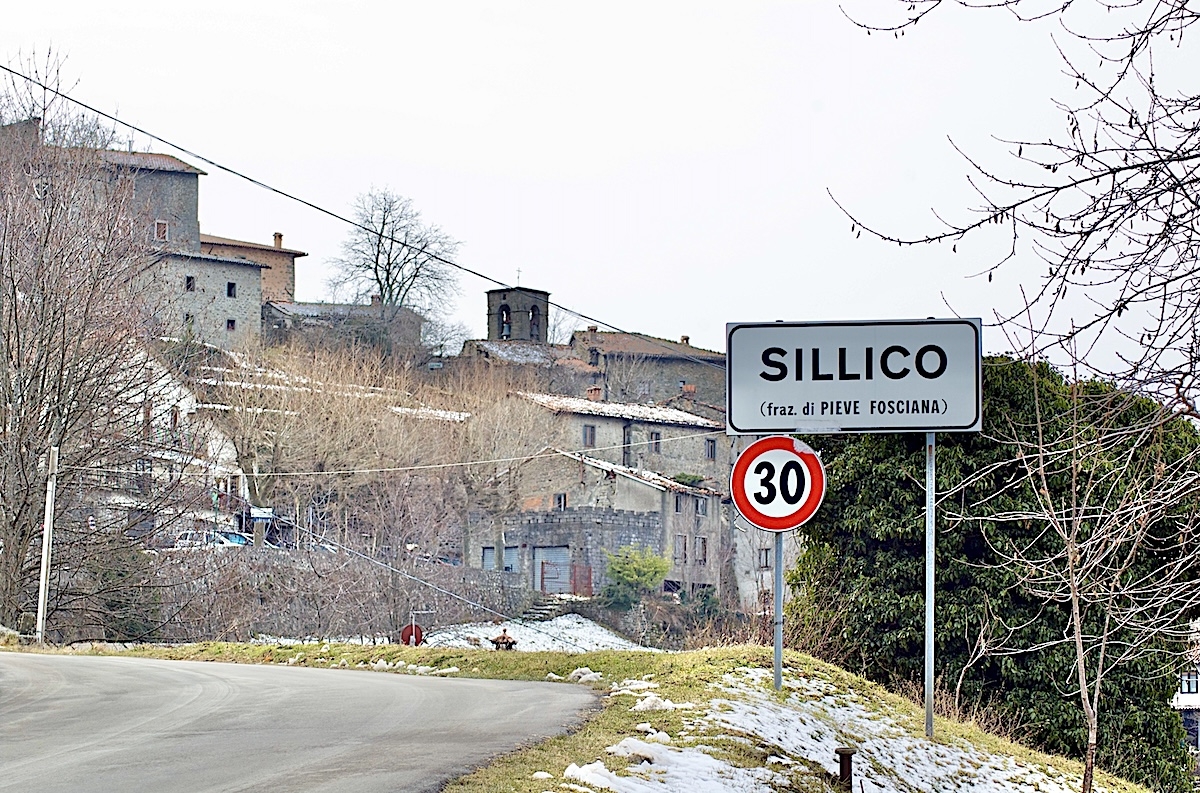
A winter weekend in the Garfagnana is one of the easiest ways to leave Florence behind without leaving Tuscany (but - you'll need a car!). It is about a two-hour drive northwest of the city, up the Serchio river valley north of Lucca, into a long green trough between the Alpi Apuane (famous for Carrara marble) and the Apennines. We spent a weekend there one February, and stayed in a rustic apartment at La Locanda del Moro (I highly recommend this charming spot), and it was exactly the quiet, woodsmoke-and-chestnuts getaway we were after, along with some adventure - like this family snowball fight!
Snowball Fight At Verrucole Fortress
The scene here is the Fortezza delle Verrucole, a restored medieval fortress above San Romano in Garfagnana - more on it below - which turned into an impromptu battlefield the afternoon we visited.
The village: Sillico
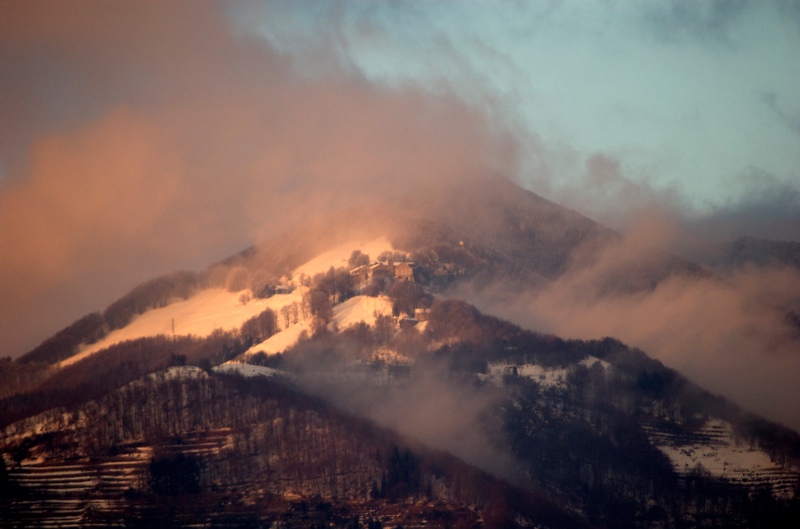
Sillico is a frazione (hamlet) of the comune of Pieve Fosciana, perched on an Apennine spur high above the Serchio valley. It is documented as far back as the tenth century, and in 1429 it became the first village in the Garfagnana to submit to the Este dukes of Ferrara, in exchange for tax relief and money to strengthen its walls. That history is still visible in the layout: a compact stone village strung along a ridge, with two gateways in and out. The position is the point of the place. From the edge of the village you look across the valley to the fortified village of Castiglione di Garfagnana and, further on, the Mont'Alfonso fortress above Castelnuovo di Garfagnana.
Sillico also has a local legend. The bandit known as il Moro, who turns up in the letters the poet Ludovico Ariosto wrote to his Este patron while serving as governor of the Garfagnana, has given his name to the village's walking trails and to a Renaissance festival held every summer.
The valley: the Garfagnana
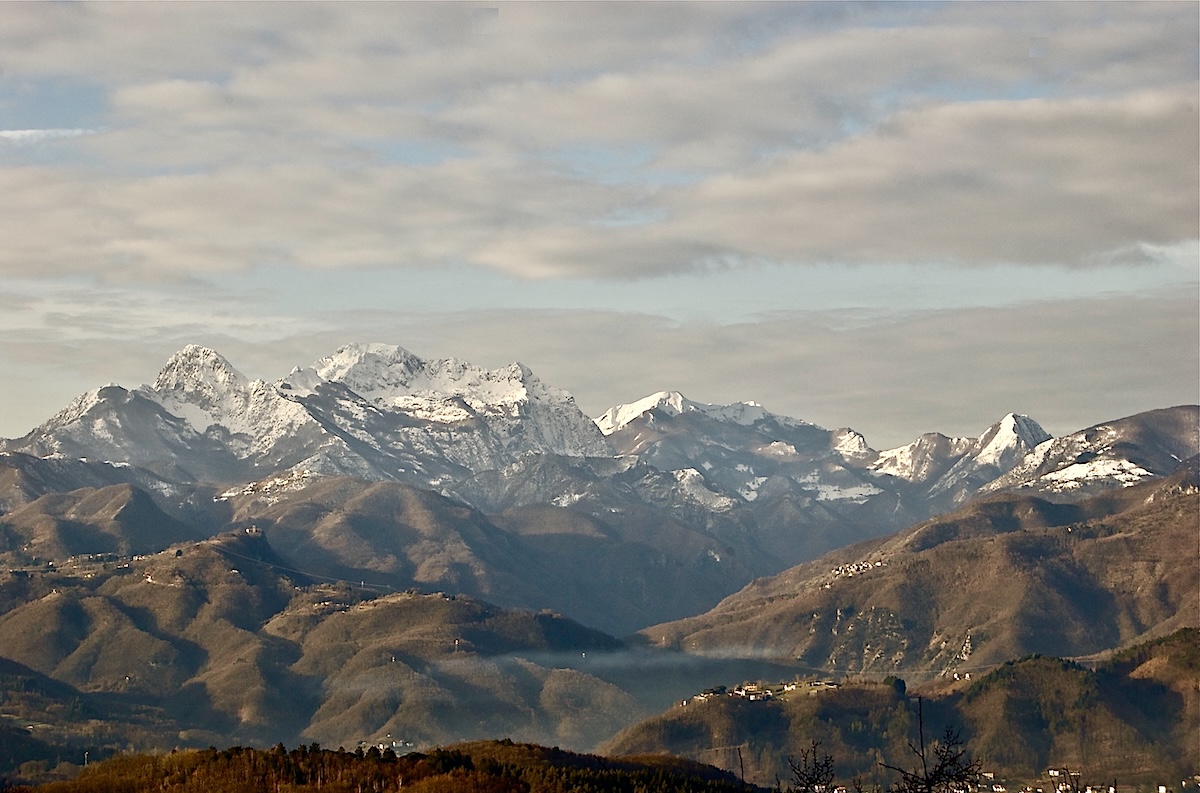
The Garfagnana is the upper basin of the Serchio, bounded by the Alpi Apuane to the west and the main ridge of the Apennines to the east, with Castelnuovo di Garfagnana as its main town on the valley floor. Two protected areas frame it: the Parco Regionale delle Alpi Apuane, an UNESCO Global Geopark, and the Parco Nazionale dell'Appennino Tosco-Emiliano, an UNESCO biosphere reserve. The Apuan side is rocky and dramatic; the Apennine side, where Sillico sits, is softer, with meadows and forest.
The valley is known above all for its chestnuts. For centuries the chestnut was the staple food of the mountain communities here, so central that it was called the bread tree, and Farina di Neccio della Garfagnana, the chestnut flour, has had DOP protection since 2004. The chestnuts are dried over a slow fire in small stone drying huts called metati, scattered through the woods, before being ground. The classic winter treat is the necci, thin chestnut-flour pancakes cooked on hot irons and rolled around fresh ricotta. The region's other protected product is Farro della Garfagnana IGP, an ancient wheat that turns up in soups and salads, and the woods also yield porcini mushrooms.
Where we stayed
We stayed in a lovely little apartment that is part of a triplex just below the village, 100 meters down the road, La Locanda del Moro. There are two rental units, and the owners live in the third. We found it on an Italian villa rental directory back then, but it's available via other booking channels now - I highly recommend it.
Where to eat
Sillico's restaurant is the Locanda Belvedere (Instagram), and it is an excellent one: regional cuisine, home-made pastas, a friendly and warm staff, and a big terrace looking out over the valley. It is the only restaurant in the village. We really enjoyed the dinner we had there, especially the copious antipasti (don't miss it if you get the chance) and the local wine, which was €6 a bottle when we went (I hope this place still exists - their Instagram has not been updated in years and their website is dead, but TripAdvisor shows reviews from the summer of 2026).
Walking around Sillico
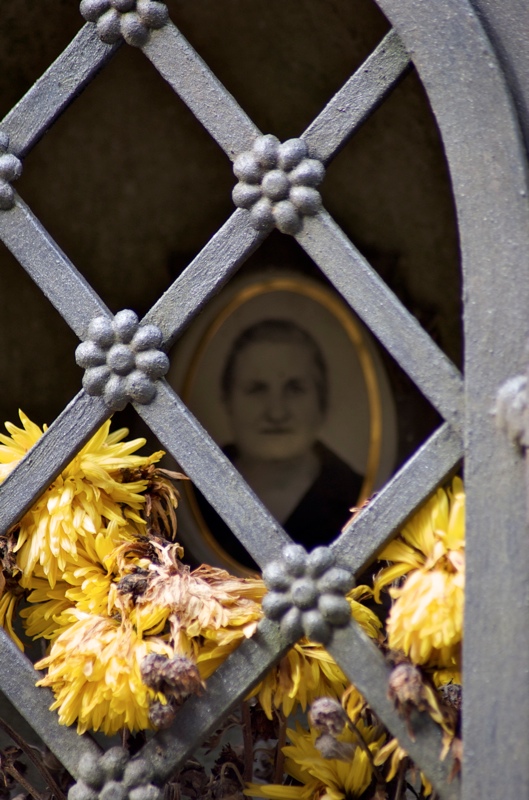
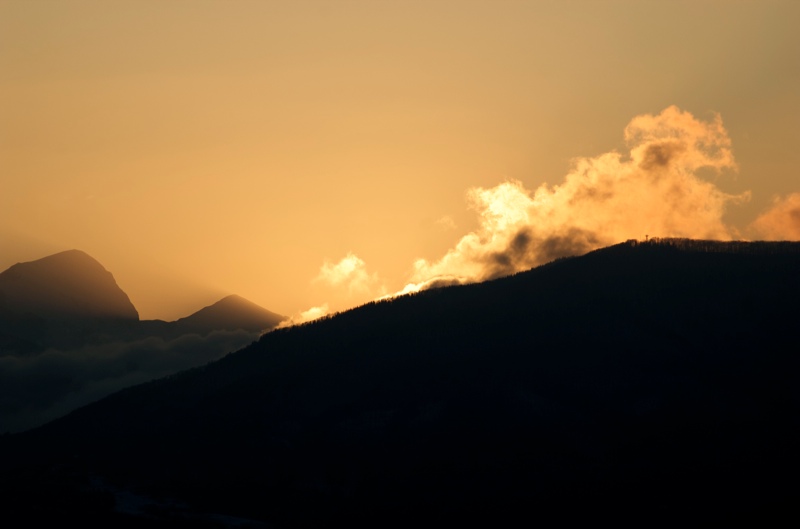
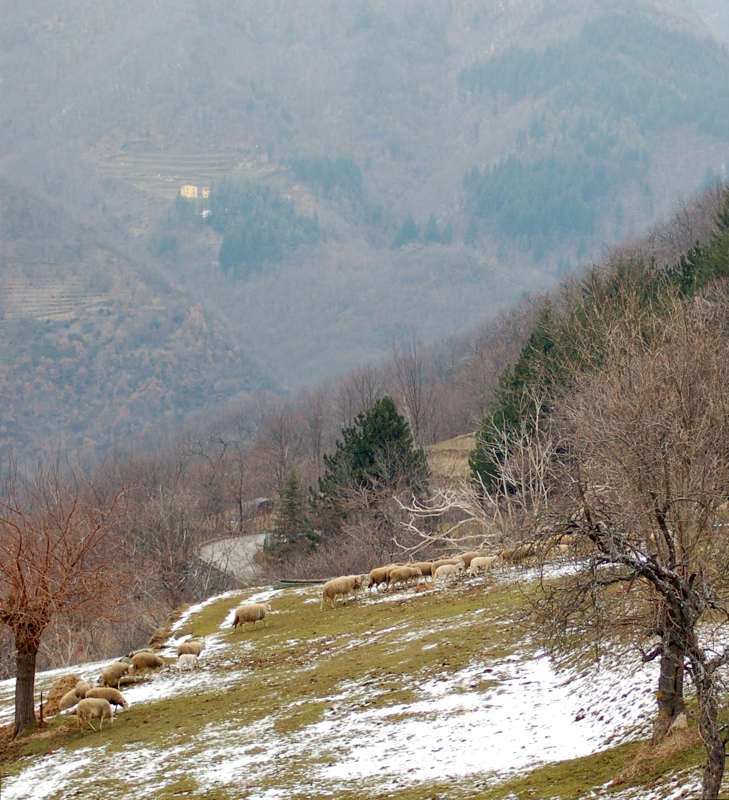
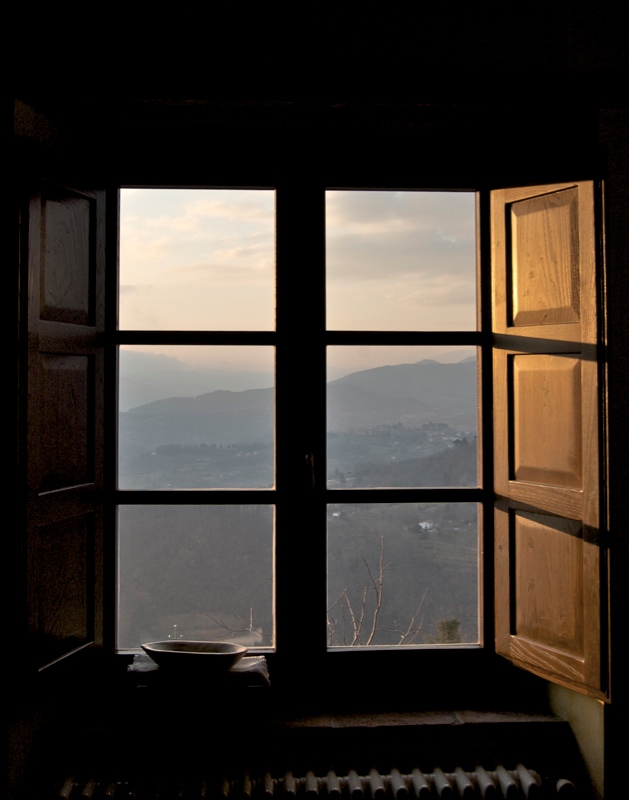
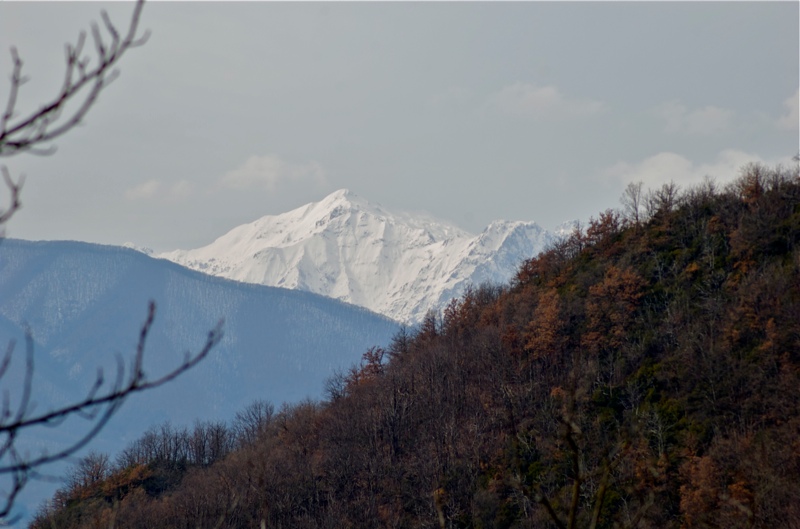
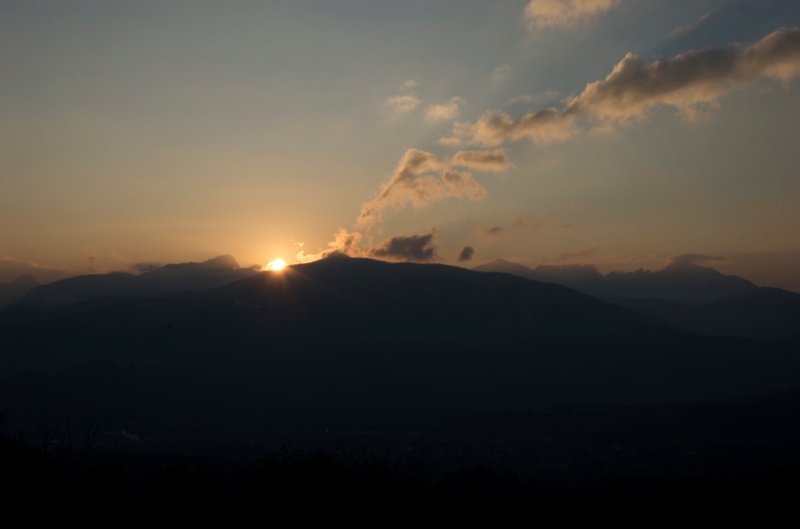
There are numerous marked walking trails through the chestnut forests and hills around the village, and most of the pictures below are from the house and the walk we took in the immediate area. Sorry, but I have yet to identify the names of the mountain peaks!



Beyond Sillico: what to see nearby
Sillico works best as a base, and the valley rewards a day or two of driving around.
- Castelnuovo di Garfagnana is the valley's main town. The Rocca Ariostesca is named for Ariosto, who governed the Este province of the Garfagnana from 1522 to 1525 and complained about it in his letters. Above the town, the Mont'Alfonso fortress, built between 1579 and 1586 as the last defensive stronghold of the Este, can be reached by car or on the marked Sentiero dell'Ariosto, an easy walk of roughly 5 to 6 kilometers from the Rocca.
- Fortezza delle Verrucole, a medieval fortress on a rocky spur at San Romano in Garfagnana, restored and open to visitors.
- Barga, a handsome medieval hill town on the lower edge of the valley, technically in the Media Valle del Serchio rather than the Garfagnana proper.
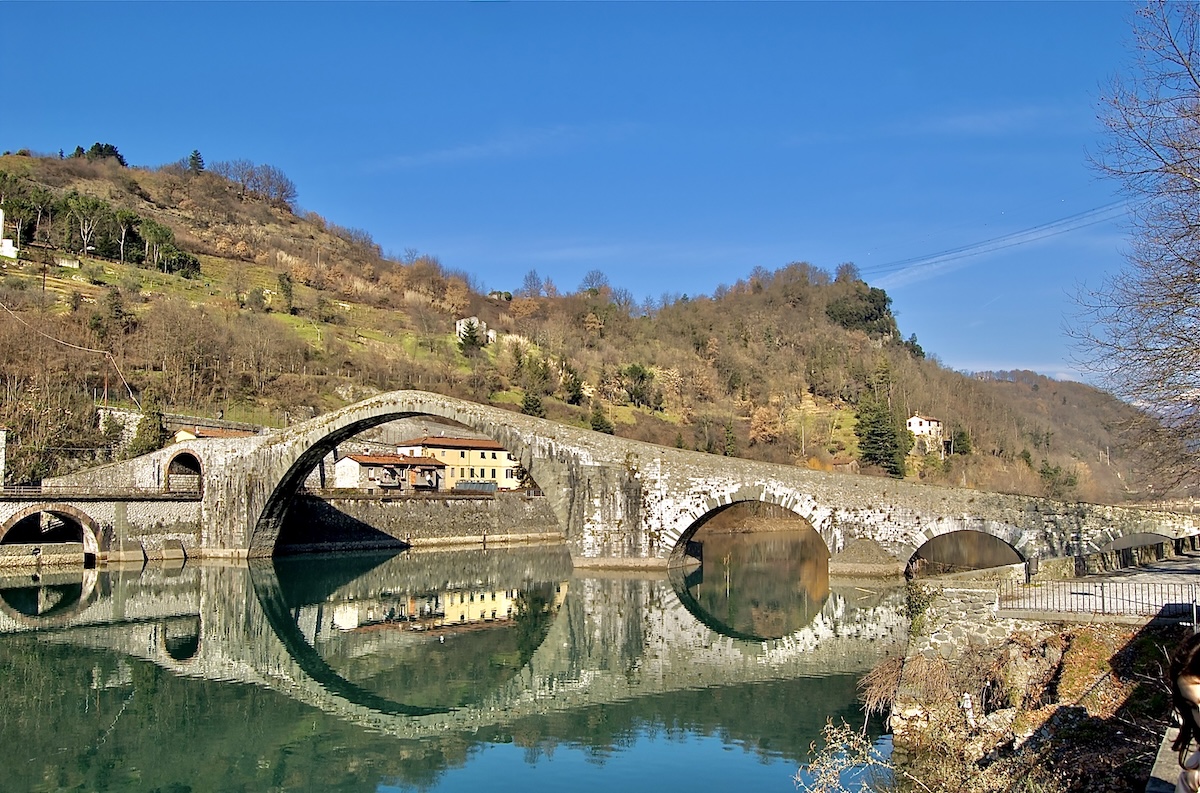
- Ponte del Diavolo (the Devil's Bridge, also called the Ponte della Maddalena) at Borgo a Mozzano, a medieval stone bridge over the Serchio with a steeply humped main arch. Legend says the devil built it in a single night. It sits right on the road up from Lucca, so it makes an easy stop on the way.
Getting there
From Florence, take the A11 autostrada to Lucca, then follow the Serchio north through Borgo a Mozzano and Barga to Castelnuovo di Garfagnana and on to Pieve Fosciana. Sillico is a short climb up the hillside from there.
Sillico FAQs:
Where is Sillico?
Sillico is a small hamlet in the comune of Pieve Fosciana, in the Garfagnana region of Tuscany's Lucca province, about a two-hour drive northwest of Florence.
What is the Garfagnana known for?
The Garfagnana is known for its chestnut forests and DOP-protected chestnut flour, its position between the Alpi Apuane and the Apennines, and its medieval hilltop villages and Este-era fortresses, such as the Rocca Ariostesca in Castelnuovo di Garfagnana.
Is Sillico a good winter destination?
Yes. Its marked walking trails, mountain views, and the seasonal chestnut dishes served at its one restaurant make it a quiet, low-key winter weekend base, and an easy add-on to a Florence trip.
Where can you eat in Sillico?
Sillico has one restaurant, the Locanda Belvedere, serving regional Garfagnana cuisine with a terrace overlooking the valley.
Comments:
By Anthony Finta, last updated:
What's New?
-

Palazzo Vecchio Museum: Hours, Tickets, What to See
Sep 29, 2026
-
Sillico and the Garfangana
Sep 28, 2026
-

Tuscan Horticultural Society
Sep 20, 2026

-

Badia Fiorentina
Aug 31, 2026
-

Festa della Rificolona
Aug 30, 2026
-

Vinny's Florence Food Walking Tour
Aug 27, 2026